
Nicotine pouches are exciting products that can help support worldwide tobacco harm reduction. However, the current understanding and support for them differs across countries, with regulatory...
The Importance of Cleaning Validation in GMP Certification for the Healthcare Sector
Toxicology
Jul 21, 2026 | Published by Broughton
Toxicology, Pharmaceuticals, Cannabinoids, Nicotine
In healthcare manufacturing, cleanliness is not simply a matter of good housekeeping; it is a critical control that protects patients, preserves product quality and supports regulatory confidence. For organisations working towards Good Manufacturing Practice certification, cleaning validation provides the documented evidence that cleaning processes consistently remove product residues, cleaning agents and potential contaminants to acceptable levels.
Why Cleaning Validation Matters
Cleaning validation is designed to demonstrate that equipment, utensils and product-contact surfaces can be cleaned effectively and reproducibly. Without robust cleaning controls, residues from one batch or product may carry over into the next, increasing the risk of cross-contamination, reduced efficacy, adverse patient outcomes and regulatory non-compliance.
For GMP certification, the key question is not whether a facility appears clean, but whether it can prove that its cleaning procedures are scientifically justified, consistently followed and capable of achieving predefined acceptance criteria. This evidence is central to inspection readiness and to maintaining confidence in the wider pharmaceutical quality system.
Cleaning Validation and GMP Expectations
GMP frameworks expect manufacturers to control critical aspects of operations through qualification and validation across the lifecycle of the product and process. Cleaning validation sits within this broader validation system, alongside equipment qualification, process validation, analytical method validation and ongoing process verification.
A modern cleaning validation programme should be risk-based and scientifically justified. This means considering product potency, toxicity, solubility, batch size, equipment design, cleaning method, product-contact surfaces and the potential impact on patient safety. Acceptance criteria should be documented, defensible and aligned with current expectations for health-based exposure limits where applicable.
What a Robust Cleaning Validation Programme Includes
- Clearly defined cleaning procedures: Procedures should specify cleaning agents, contact times, temperatures, equipment disassembly requirements, manual cleaning steps and visual inspection criteria.
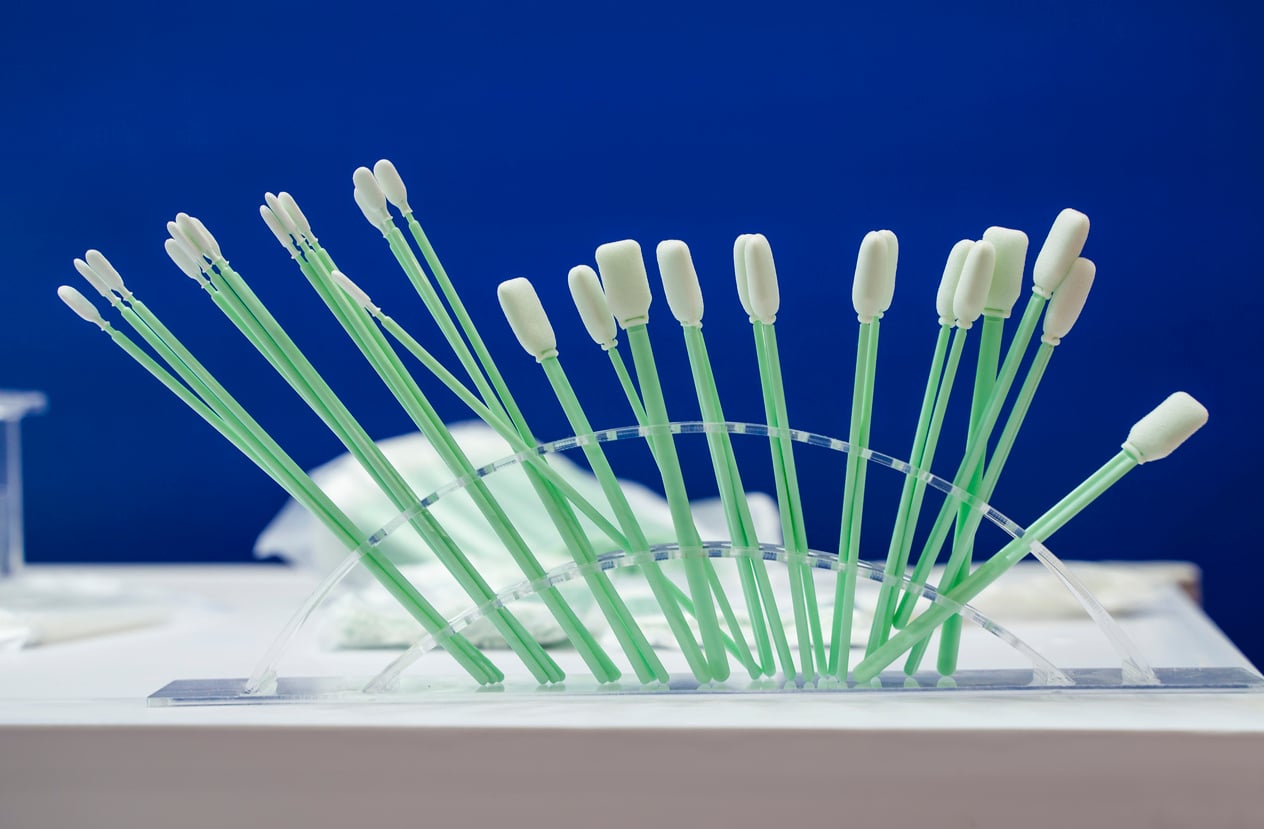
- Validated sampling methods: Swab, rinse or other sampling methods should be justified and shown to recover residues effectively from relevant surfaces.
- Scientifically justified limits: Residue limits should be based on toxicological, pharmacological and product-quality considerations rather than arbitrary thresholds.
- Worst-case rationale: Product and equipment groupings should be supported by documented logic, including consideration of hardest-to-clean products and most challenging equipment trains.
- Trained personnel: Operators must understand the procedure, the rationale behind it and the importance of performing each step consistently.
- Ongoing verification: Cleaning validation should not be treated as a one-off exercise. Periodic review, deviation trending and revalidation after changes help ensure the validated state is maintained.
Common Pitfalls That Can Undermine GMP Certification
Cleaning validation gaps are often identified when documentation does not reflect what happens in practice. Common issues include incomplete product-contact surface assessments, insufficient justification for worst-case selections, inadequate recovery studies, poor control of manual cleaning steps, reliance on visual cleanliness alone and failure to reassess cleaning procedures after product, equipment or process changes.
These weaknesses can create uncertainty during inspections and may lead to findings, corrective actions or delays in certification. More importantly, they indicate that the organisation may not have full control over a critical contamination-prevention process.
Beyond Compliance: Building Confidence in Product Quality
Effective cleaning validation does more than satisfy an auditor. It strengthens contamination control, supports batch-to-batch consistency, improves operator discipline and provides a clear framework for managing change. In a sector where product quality is inseparable from patient safety, the ability to demonstrate control is a competitive and ethical necessity.
Conclusion
Cleaning validation is a cornerstone of GMP certification in the healthcare sector. It provides the evidence that cleaning procedures are controlled, repeatable and capable of preventing unacceptable contamination. For manufacturers, contract laboratories and healthcare suppliers operating in regulated environments, investing in a robust cleaning validation programme is not simply a compliance requirement; it is a practical demonstration of quality, accountability and commitment to patient protection.