
The Keller and Heckman LLP E-Vapor and Tobacco Law Symposium provided in-depth discussions on the regulatory landscape, the evolving challenges faced by the industry, and the potential changes ahead....
Keller and Heckman’s 10th Annual E‑Vapor, Nicotine and Tobacco Law Symposium
Nicotine
May 8, 2026 | Published by Chris Allen
Nicotine, Regulatory
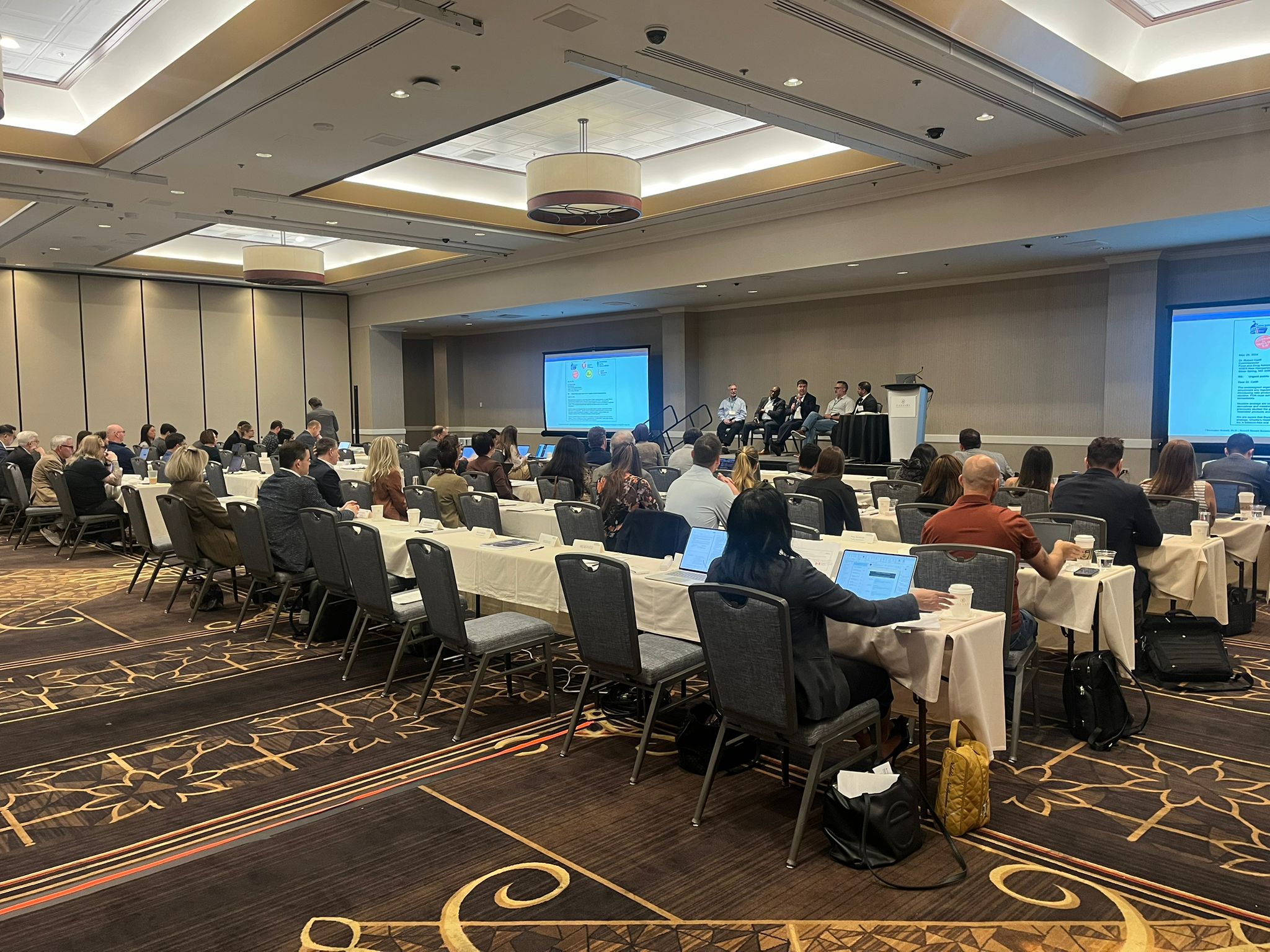
IIt was good to be back in Las Vegas for Keller and Heckman’s 10th Annual E‑Vapor, Nicotine and Tobacco Law Symposium. During a packed two-day schedule, the agenda covered a wide range of topics across regulatory, legal and scientific developments, with a consistent focus on how frameworks are being applied in practice rather than just how they are written.
A common thread throughout was the continued evolution of FDA’s approach, the practical realities of the PMTA process, and how companies are adapting across product design, manufacturing and emerging categories.
Day 1 highlights: regulatory expectations and PMTA reality
The opening session set the scene with a high‑level overview of how the regulatory landscape has developed, with FDA bringing all nicotine products under its authority in 2016 and extending that to synthetic nicotine in 2022. While the legislative framework is now well established, the way it is interpreted and applied continues to shift.
A consistent theme was the treatment of flavored ENDS. Although the statutory APPH standard remains unchanged, there is a clear expectation that flavored products must meet a much higher evidentiary threshold, largely driven by concerns around youth initiation. In practical terms, this means significantly more robust data is required to demonstrate adult switching benefits.
There was also a useful reminder that many applications fail for relatively fundamental reasons. Gaps in product characterization, weak stability data, and insufficient manufacturing detail continue to be common issues. While the PMTA process is described as science‑based, there was open discussion about the role of policy and public narrative in shaping outcomes, and the impact this has on investment decisions.
At the same time, there were more positive signals around intent to improve the process, including comments from acting CTP Director Bret Koplow on increasing transparency and progressing more applications through review.
Designing ENDS: aligning with regulatory expectations
The session on ENDS design focused on how regulatory expectations influence product development decisions. The central point was straightforward; FDA’s priority remains preventing youth initiation, and that lens shapes how products are assessed.
Rather than being framed as a rigid formula, it was more a reminder that design, naming, packaging and marketing choices all contribute to how a product is perceived. Small decisions can influence whether a product is considered to increase youth appeal, even where that is not the intent.
The takeaway was not that there is a single way to design a product for approval, but that aligning product development, evidence generation and marketing strategy early gives a stronger starting point when entering the PMTA process.
Day 2 highlights: manufacturing moves to the centre
On day 2 the focus shifted to manufacturing, which is now much more central to regulatory strategy than it has been historically.
The discussion was framed around three core principles: control, clarity and consistency. Manufacturing systems need to be demonstrable, repeatable and clearly documented, particularly where activities are split between brand owners and contract manufacturers.
There was a strong emphasis on quality agreements, not as a formality but as a practical tool to define responsibilities and avoid gaps. The “five Ps” of GMP, products, processes, procedures, premises and people, were used to reinforce that systems only work if they are properly implemented and understood by those operating them.
A key point was that manufacturing is not separate from PMTA success. If a product cannot be shown to be consistently manufactured to its authorised specification, it risks being treated as a different product, which carries obvious regulatory consequences.
Nicotine analogs: growing scrutiny and uncertainty
One of the more active discussions focused on nicotine analogs and how regulators are likely to respond as the category develops.
The panel centred on two questions. Whether regulation is likely, and whether it should be applied in the same way as existing nicotine products.
From a scientific and policy perspective, there is clearly increasing attention on the category. Publications and media coverage are starting to highlight potential concerns, particularly around youth uptake and the lack of long‑term data. The science is still developing, but the level of scrutiny is increasing.
From an industry perspective, there was a different view presented. Rick Avila, CEO, Bonguard Naturals, pointed to emerging work on certain analogs, including receptor binding data comparable to nicotine, potential differences in abuse liability, and early indications around toxicology and cardiovascular effects when products are properly formulated. These areas are still under investigation, but form part of the wider discussion.
Henry Sicignano, President, Charlie’s Holdings Inc., outlined a more commercial approach, describing a strategy of combining nicotine analogs with device‑level age‑gating to demonstrate that products can meet adult demand while limiting youth access.
The one area of broad agreement was the overall direction of travel. Regardless of current classification, there is a general expectation that FDA will need to address nicotine analogs more formally, particularly if usage increases or public pressure builds. The level of audience engagement reflected both the interest in the category and the uncertainty around how it will evolve.
Canada: a more structured approach to pouches
The final session provided a comparison with Canada, where the regulatory structure differs in several important areas.
For ENDS, the framework is broadly comparable at a high level, with clear requirements around labelling, advertising, nicotine concentration and reporting to Health Canada. Where the difference becomes more pronounced is with nicotine pouches.
In Canada, pouches are generally treated as nicotine replacement therapies rather than consumer products. This creates two distinct regulatory pathways based on nicotine strength. Products at 4 mg per pouch or below can follow a non-prescription route, whereas products above 4 mg are treated as prescription, with higher data requirements and a more complex approval process.
This approach shapes the market. Products are limited to mint or menthol flavours, are positioned for smoking cessation, and are typically restricted to pharmacy channels. As a result, the category operates very differently to more consumer‑driven markets elsewhere.
There are also ongoing reporting requirements, with manufacturers and importers required to submit sales and ingredient data, giving Health Canada a continuous view of the market.
Final thoughts
Overall, the symposium was a useful reflection of where the industry currently sits. The regulatory framework is clearer than it was a few years ago, but how it is applied continues to evolve.
What came through consistently is that regulatory strategy, product design and manufacturing cannot be treated in isolation. They need to move together if there is to be a credible route through the PMTA process and into the market.